
Liver - Part 3
Part 3
Part 3: Real Detox Support —
What Nourishes the Liver (and What Doesn’t)
Let’s set the record straight.
You don’t need to flush your liver. You don’t need to starve it, scare it, or sign up for a 10-day celery juice cleanse.
What your liver actually wants is support. Daily, steady, loving support.
Your liver already knows how to detox, it just needs the right ingredients to do its job well (especially if it’s been running on fumes).
Your liver also hates fasting for detox. Fasting pushes phase 1 detox, but halts phase 2…and as you’ll see in this part, that means trouble.
Let’s break down what actually helps your liver detox (based on real physiology, not TikTok trends), and what’s just noise.
The 3 Phases of Detox
(aka why pooping really does matter)
Your liver doesn’t just “detox” in one big whoosh. It works in three very specific phases, and each one needs different tools to do the job well.
Let’s break it down:
Phase 1: Break It Down
This is where your liver takes toxins, including estrogen, medications, and chemicals, and breaks them into smaller pieces. It’s kind of like chopping garbage into chunks. But, those chunks are often more reactive than the originals, which is why...Phase 2: Make It Safe
Your liver then attaches nutrients (like amino acids, B vitamins, magnesium, and sulfur compounds) to those broken-down pieces to neutralize them. This is where your liver needs protein, leafy greens, and key minerals. Without these nutrients you’re left with reactive junk circulating in your system.Phase 3: Get It Out
This is where you actually eliminate the toxins, through your bile (→ poop), urine, and sweat. This is why regular bowel movements are essential. If Phase 3 is sluggish (i.e., you’re constipated), all that waste can get reabsorbed and recirculated. Not the vibe.
This means that your fiber, water, protein, and cruciferous veggies are fuel for these exact detox pathways.
Once all three phases are supported, your liver can move those built up toxins out.
What Your Liver Loves
These foods and nutrients help your liver do what it already knows how to do: neutralize and clear out waste, excess hormones, and inflammatory byproducts.
1. Cruciferous Veggies
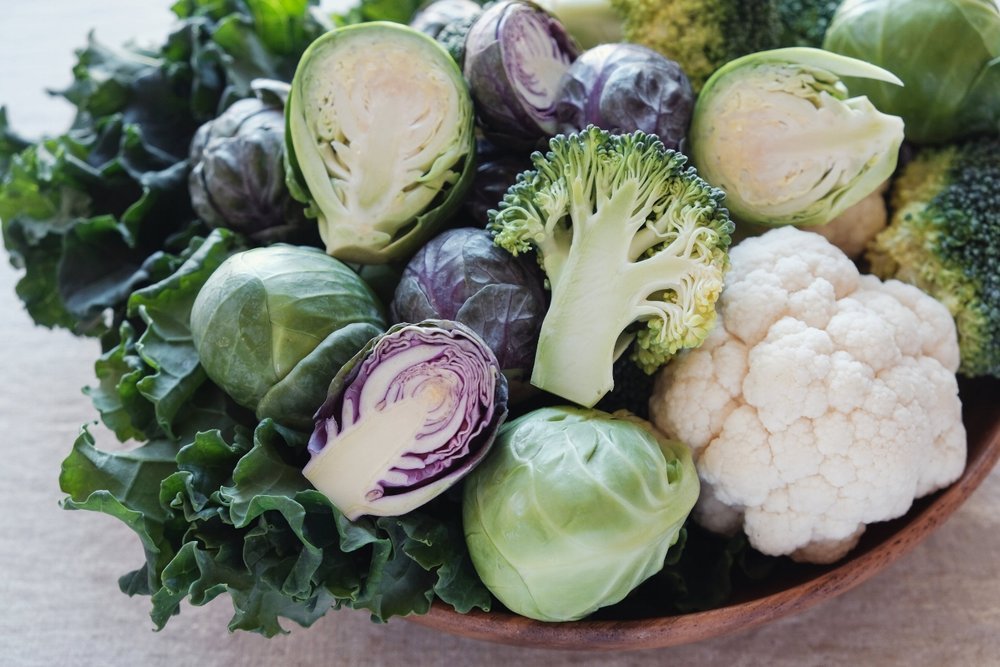
Broccoli, cauliflower, cabbage, kale, Brussels sprouts. These beauties help move estrogen through Phase 1 detox and reduce inflammation.
2. Bitter Foods
Arugula, dandelion greens, radicchio, lemon, apple cider vinegar. Bitters help stimulate bile flow, which is how your liver sends toxins out of the body (via poop 💩).
3. Beets and Carrots
These support bile production and liver enzyme activity and they taste amazing roasted with a little olive oil and salt.
4. Fiber, Fiber, Fiber
Ground flaxseed, chia, oats, veggies
Fiber is key for Phase 3 detox, especially when it comes to clearing out excess estrogen. Soluble fiber (like what’s in oats, chia, and flax) acts like a sponge in your gut. It binds to estrogen metabolites that your liver has already processed, trapping them so they can be eliminated through your stool instead of being reabsorbed.
This is especially important in perimenopause and menopause, when your liver is trying to keep estrogen levels balanced, but can't do it alone.
Try adding 1–2 tbsp of chia seeds to your smoothie, oatmeal, or chia pudding in the morning. It's a simple habit that can make a big difference in how your hormones feel.
5. Clean Protein
You need protein for Phase 2 detox, think beans, lentils, pastured eggs, fish, or organic poultry.
Amino acids are required to complete the detox cycle. If you’re skimping on protein, your liver doesn’t have what it needs to finish the job.
6. B Vitamins & Magnesium
B6, B12, folate, and magnesium are all key for methylation (your liver’s Phase 2 detox superstar system, especially important if you have MTHFR).
You can get these from leafy greens, whole grains, seeds, legumes — or supplement as needed.
If you suspect you might have a methylation problem, please avoid folic acid in supplements. Your body can’t use or metabolize folic acid, and it can block the absorption of folate and methyl-folate.
7. Water (yes, boring but true)
Your liver uses water to filter waste, and your bowels and kidneys need it to keep things moving. Aim for 2–3L/day or until your urine is pale yellow or clear by mid-afternoon).
8. Rest + Rhythm
Your liver works hardest overnight. Consistent sleep and a regular eating schedule = pure magic for detox capacity.
What Doesn’t Actually Help (And Might Even Backfire)
Let’s bust a few myths while we’re here.
🚫 The “Detox Tea” Trap
Laxatives are not detoxing. They’re dehydrating. That’s not love for your liver, it’s punishment in a teacup.
🚫 Extreme Juice Fasts
You need protein and nutrients for your liver to complete Phase 2 detox. Starving the body = stalling detox.
🚫 Random Supplement Overload
More isn’t better. If you’re taking 12 liver-support supplements but not eating real food or pooping daily, your liver’s still not happy.
🚫 All-or-Nothing Thinking
Skipping wine and chocolate for 10 days only to rebound into restriction guilt doesn’t support your liver or your nervous system. You don’t need perfection, you need consistency. Reducing consistently is happier for your body than full restriction (esp if it comes with guilt).
Bonus Supports (Optional, but Lovely)
If you’re already doing the food and rhythm basics, these can add an extra layer of support:
Castor oil packs — help reduce liver inflammation and improve bile flow
Dry brushing + movement — support lymphatic drainage (great if you’re feeling puffy)
Epsom salt baths — a gentle way to get extra magnesium and relax your nervous system
Digestive bitters before meals — help with stomach acid and bile release
We’ll talk more about these and how to incorporate them in Part 4
In the next section, we’ll pull all of this together into a simple, doable 2–4 week plan — head over to Part 4!
Head over to Part 4.
If you have any questions, jump to our private Facebook Group or the Ask Lisa page :)