
IBS - Part 2
Part 2 - The Digestive Organs
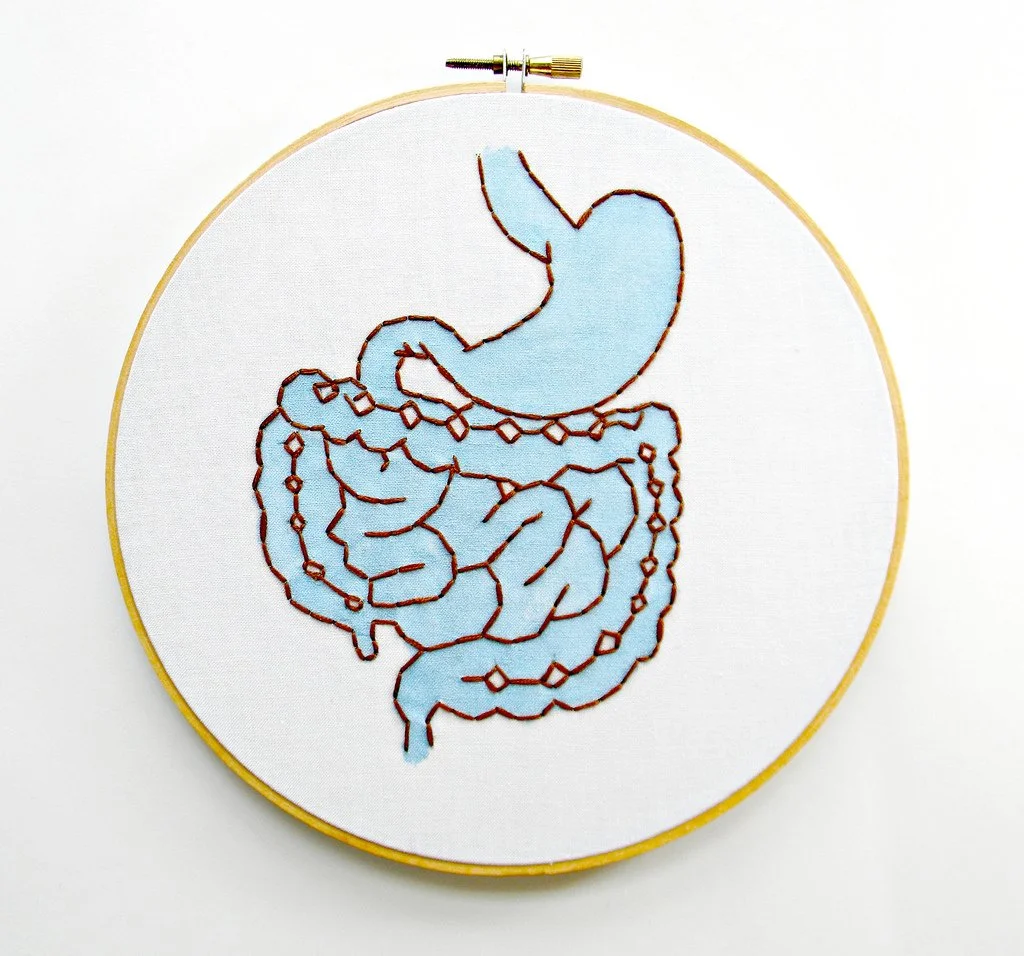
How Each Digestive Organ Can Trigger IBS Symptoms
Now that we understand IBS as a pattern of digestive dysregulation rather than a single isolated issue, we can begin looking at how the different parts of the digestive system contribute to symptoms.
Digestion is a coordinated, stepwise process. Each organ prepares the way for the next, and when one step is slightly impaired, the effects often ripple downstream.
This is why IBS symptoms can appear inconsistent or unpredictable —> the root imbalance may not always be in the place where symptoms are felt.
Let’s walk through the digestive system in order.
The Brain & Nervous System: The Control Center of Digestion
Although we often think of digestion as something that happens in the stomach or intestines, its regulation begins in the nervous system. The balance between the sympathetic (fight-or-flight) and parasympathetic (rest-and-digest) branches determines how efficiently digestive secretions, enzyme production, and motility patterns are coordinated.
When someone lives in a chronic state of stress, urgency, or mental overload, digestion rarely enters a fully restorative state. Blood flow is diverted away from the gastrointestinal tract, digestive juices may decrease, and the rhythm of intestinal contractions can become irregular.
When nervous system regulation is disrupted, digestion often shifts in recognizable patterns:
Stress may accelerate motility → leading to urgency or diarrhea.
Stress may slow motility → contributing to constipation and bloating.
Chronic sympathetic activation may reduce stomach acid and enzyme output.
Heightened nervous system sensitivity can amplify normal digestive sensations.
Because the gut and brain are constantly communicating, even subtle shifts in stress levels can change digestive function. This is why IBS symptoms frequently flare during high-pressure periods, even when diet remains stable.
Supporting IBS often begins here, by improving nervous system tone rather than immediately restricting food.
The Stomach: Laying the Groundwork for Proper Digestion
The stomach plays a foundational role in digestion by producing hydrochloric acid and initiating protein breakdown. Adequate stomach acid makes sure that food is properly broken down before entering the small intestine and it also acts as a barrier against unwanted microbes.
When stomach acid levels are low, food may not be fully broken down, particularly proteins.
Larger food particles then enter the small intestine, where they are more likely to ferment, feed bacteria, and contribute to bloating or gas. In addition, reduced acid allows microbes that would normally be neutralized to survive and migrate further into the digestive tract.
Common signs that stomach function may be low include:
Feeling overly full after small meals
Heaviness or fatigue after eating protein
Excessive belching
Upper abdominal pressure
Bloating that begins shortly after eating
Interestingly, reflux symptoms do not always indicate excessive acid. In many people, they may be cause by poor muscle coordination or low acid production.
When the stomach does not perform its role efficiently, the downstream organs must compensate, often leading to the fermentation and gas production commonly associated with IBS.
The Liver & Gallbladder: Bile, Fat Digestion, and Motility
The liver produces bile, and the gallbladder releases whenever you eat something fatty. Bile is essential not only for emulsifying dietary fats but also for regulating intestinal motility and maintaining microbial balance.
An unhappy gallbladder is a VERY common cause of IBS and SIBO symptoms!
It’s the bitter flavour that tells the gallbladder to squeeze out bile…but we don’t eat tha flavour very often in N. America. This can lead to poor bile flow.
Adequate bile flow supports regular bowel movements and discourages overgrowth of certain bacteria. When bile production is sluggish or release is impaired, digestion can feel heavy and slow.
When bile flow is insufficient, symptoms may include:
Constipation or incomplete bowel movements
Pale or light-colored stools
Bloating after fatty meals
Nausea with rich foods
Alternating constipation and loose stools
Because bile influences both motility and the microbial environment, poor liver or gallbladder function can subtly shape IBS patterns over time.
The Pancreas: Enzyme Support for Complete Breakdown
The pancreas produces enzymes that break down carbohydrates, fats, and proteins into absorbable molecules. When enzyme output is low, food may remain partially digested as it enters the small intestine.
Carbohydrates that are not fully broken down are particularly prone to fermentation, leading to gas production and bloating. Incomplete fat digestion can contribute to urgency or changes in stool consistency.
Subtle signs of reduced enzyme support may include:
Gas or bloating after meals
Floating or oily stools
Urgency after eating
A sensation that food “just sits” in the upper abdomen
Even mild issues with enzyme production can increase the likelihood of pain and bloating further along the digestive tract.
The Small Intestine: Where Overgrowth and Sensitivities Develop
The small intestine is where most of your nutrients are absorbed…but it’s also a very common place for imbalance in IBS.
Ideally, the small intestine contains relatively low levels of bacteria compared to the large intestine.
But sometimes, bacteria that are meant to live further down begin growing where they shouldn’t. This is what we refer to as SIBO (small intestinal bacterial overgrowth). When that happens, carbohydrates are fermented too early in the digestive process, which can create gas, pressure, and bloating….often shortly after eating.
For some people, IBS symptoms begin after a bout of food poisoning or a stomach bug. Even once the infection clears, digestion doesn’t always return to normal right away.
Motility can slow down, immune signaling can stay slightly activated, and the small intestine may remain more reactive than it was before.
Common contributors to small intestinal imbalance include:
SIBO (small intestinal bacterial overgrowth)
Lingering changes after food poisoning
Sluggish movement between meals (impaired migrating motor complex)
Increased intestinal permeability
Ongoing low-grade immune activation
Because the small intestine sits right in the middle of digestion, between the stomach and the colon, symptoms here can feel fast and unpredictable. You might feel bloated shortly after eating, reactive to foods that used to feel fine, or confused about why symptoms change from day to day.
When this area is supported properly, digestion often starts to feel calmer and more stable.
The Large Intestine: Where Symptoms Are Often Felt
The large intestine is home to trillions of microbes. This is where fiber is fermented, beneficial compounds are produced, and the final stages of digestion take place.
When the balance of bacteria shifts, whether from stress, antibiotics, restrictive dieting, or illness, gas production can change as well.
Some microbial patterns can trigger slow motility and constipation, while others are linked to looser stools and urgency. The type of gas produced can even influence how symptoms feel.
The colon is also very sensitive. It contains a dense network of nerves, and if those nerves have become more reactive over time, even normal stretching from gas or stool can feel uncomfortable or painful.
Fiber plays an important role here, but it needs to be handled thoughtfully. Too little fiber can slow things down and reduce microbial diversity. Too much, introduced too quickly, can increase fermentation and bloating.
The goal isn’t to eliminate fiber. It’s to gradually expand and diversify it, allowing the microbiome to adapt in a steady, supportive way.
IBS as a Cascade of Small Imbalances
When we zoom out and look at the digestive system as a whole, IBS usually isn’t caused by one dramatic problem. It’s more often the result of several small imbalances that build on each other over time.
It might look something like this:
Chronic stress reduces stomach acid production.
Lower stomach acid allows more bacteria to survive digestion.
Bacterial shifts increase fermentation and gas production.
Increased fermentation contributes to bloating and inflammation.
Inflammation heightens nerve sensitivity.
Heightened sensitivity makes normal digestion feel uncomfortable.
Each step on its own might seem minor. But together, they create a pattern.
When you understand IBS this way, it stops feeling random and becomes logical. Instead of reacting to each flare with frustration or restriction, you can start looking upstream and asking: where did this pattern begin?
And that’s exactly what we’ll do next. We’re going to turn this understanding into a practical, step-by-step plan to bring digestion back into balance.
If you have any questions, jump to our private Facebook Group or the Ask Lisa page :)