
Menopause - Part 4
Lifestyle & Nutrition Support
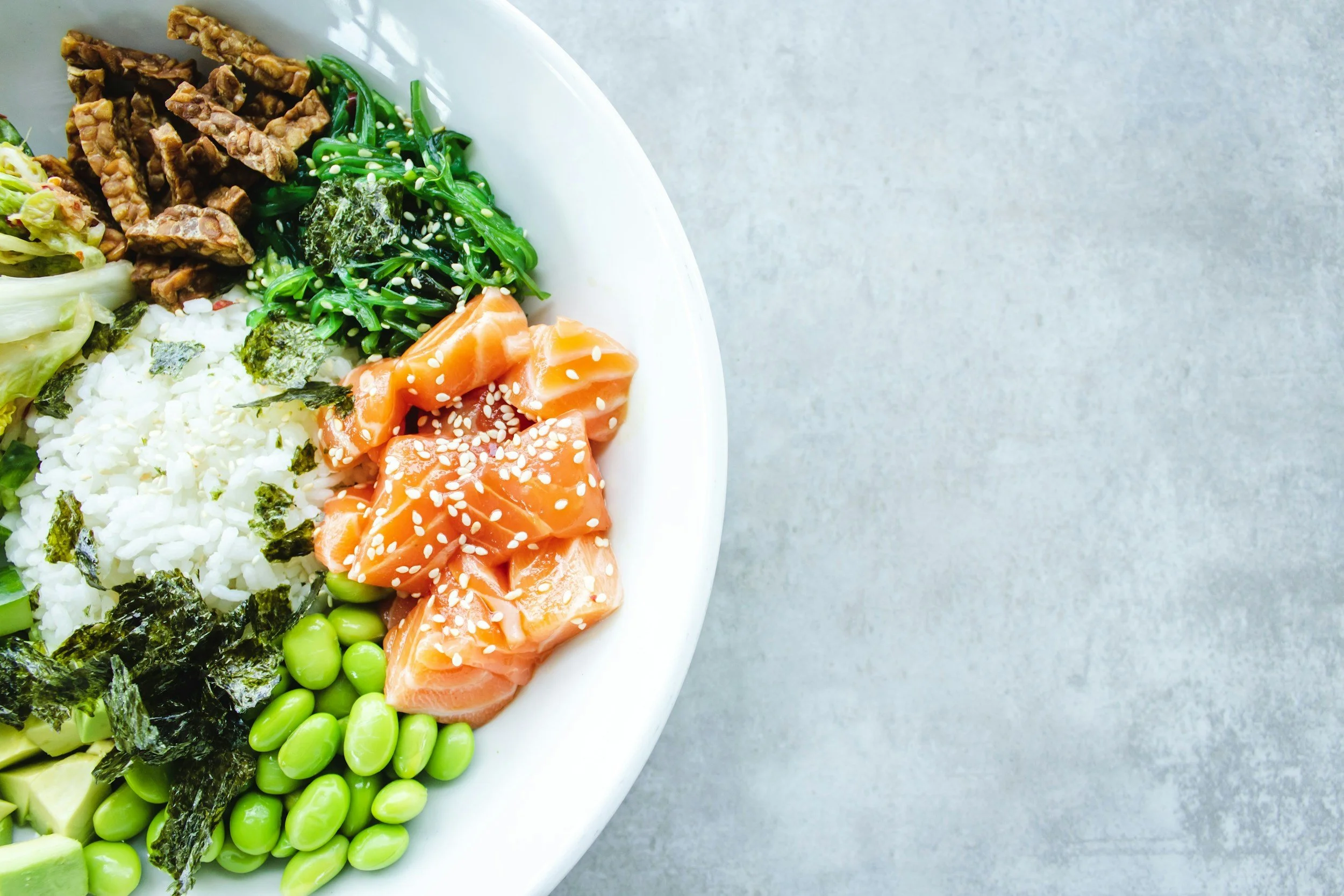
Part 4: Rebuilding Resilience –
Lifestyle & Nutrition Support
Okay, so you know all of thing things…now we turn to the question most women ask at this point:
“So what do I do now?”
This part of the masterclass is about rebuilding your resilience, gently, daily, and with intention. It’s about creating a body and rhythm that feels strong, calm, and clear, rather than overwhelmed or depleted.
We’ll explore:
How to move your body with purpose
How to eat to rebuild strength and balance hormones
How to support your detox systems naturally
How to use gentle, functional tools like adaptogens, phytoestrogens, and herbs
Note: Getting a good night’s sleep is SUPER important. You can start on this while you work on sleep, but you probably won’t see the effects of these changes until you’re getting a good night of sleep consistently.
This Should Feel Too Easy (That’s How You Know It’s Right)
In this phase of life, your body doesn’t need more intensity. It doesn’t need more rules, more restriction, or more punishment.
It needs rhythm.
Simple, daily rhythms that regulate your stress, build your strength, and nourish your energy, not drain it.
We’ve been conditioned to believe that if it doesn’t feel hard, it can’t be working. But midlife physiology says otherwise:
Restrictive diets increase cortisol, weaken your bones, and accelerate frailty, not fat loss.
Overtraining spikes stress hormones and breaks down the muscle you're trying to keep (rest days are where you’ll see the most progress!).
Forcing weight loss might shrink the scale in the short term, but it often sacrifices muscle…which lowers your metabolism and leaves you feeling worse, not better.
🔥 Muscle is your metabolic engine and midlife is the moment to protect it like gold.
So if your “plan” feels like a second job, your body’s probably already rejecting it.
You’ll know you’re on then things feel sustainable, supportive, and…a little boring.
Because that’s how the body heals and rebalances. It’s through consistency, not chaos. Through simple daily practices that accumulate like interest in your strength bank.
Strong muscles = stronger bones
Strong muscles = a faster metabolism
Strong muscles = better blood sugar, better sleep, and better energy
And you don’t get that from shrinking yourself. But you do get that from supporting yourself.
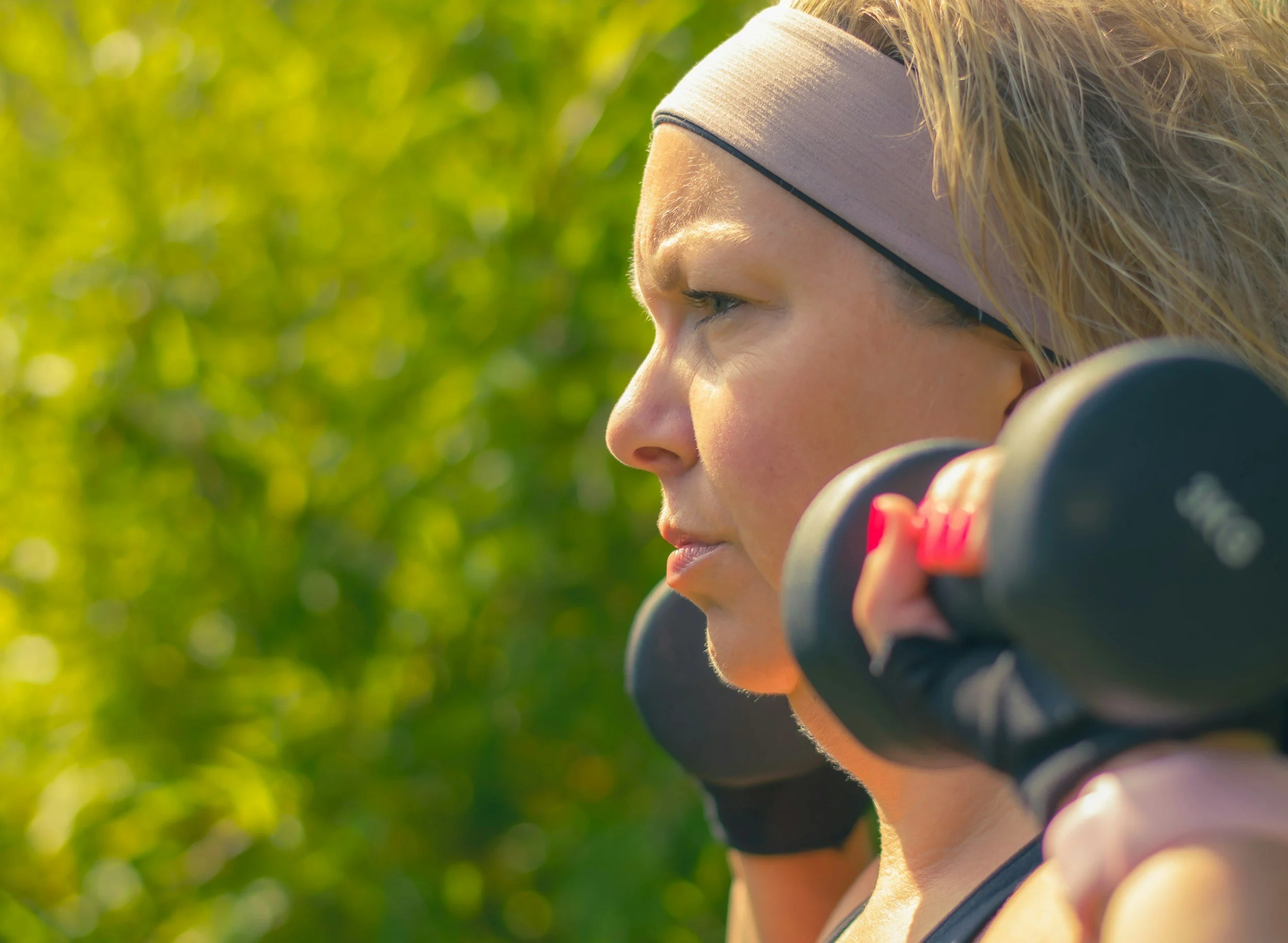
Move with Intention – Strength Is the Goal
Midlife is the moment to shift your relationship with exercise. No more punishment workouts or movement driven by guilt. This is the time to train your body for:
Stability
Strength
Longevity
Hormonal health
Why strength training matters more now than ever:
It prevents sarcopenia (age-related muscle loss)
Increases insulin sensitivity and supports metabolism
Stimulates bone density to prevent fractures and osteoporosis
Reduces anxiety, improves sleep, and supports cognition
Strength training is not optional in menopause. It’s medicine, especially for bones, brain, and metabolism.
What to do:
2–3 strength sessions per week
Start with bodyweight, resistance bands, or light weights. Focus on compound movements: squats, lunges, push-ups, rows.Mobility & fascia care
Include stretching, foam rolling, myofascial release. This supports connective tissue and joint health as estrogen declines.Gentle cardio + walking
Walking is powerful for blood sugar and cortisol regulation. Add short bursts of cardio (like intervals or dancing) if energy allows.Restorative movement
Yin yoga, breathwork, tai chi, or simply stretching with intention calms the nervous system and supports hormonal balance.
And this part is key: Take real rest days
Dr. Stacy Sims and many others working in female physiology are clear on this: recovery is not optional in menopause.
Estrogen used to buffer inflammation, regulate cortisol, and help us bounce back from hard efforts. Now, your body is doing all that work without hormonal support…and it needs you to honor that shift.
On your rest days:
Let your muscles rebuild
Let your cortisol settle
Let your nervous system soften
Let your fascia hydrate and reorganize
Rest is not a break from progress, it is progress.
If you skip rest, you don’t “get ahead”, you get inflammation, fatigue, and stalled results.
Your movement practice should feel like a gift to your future self, not a punishment for your past self.
And that includes the days you don’t move at all.
Changing your outlook toward your body in midlife can be deeply uncomfortable… especially if you've been taught to equate movement with morality, or rest with laziness.
But rest is a necessary part of the strength equation now.
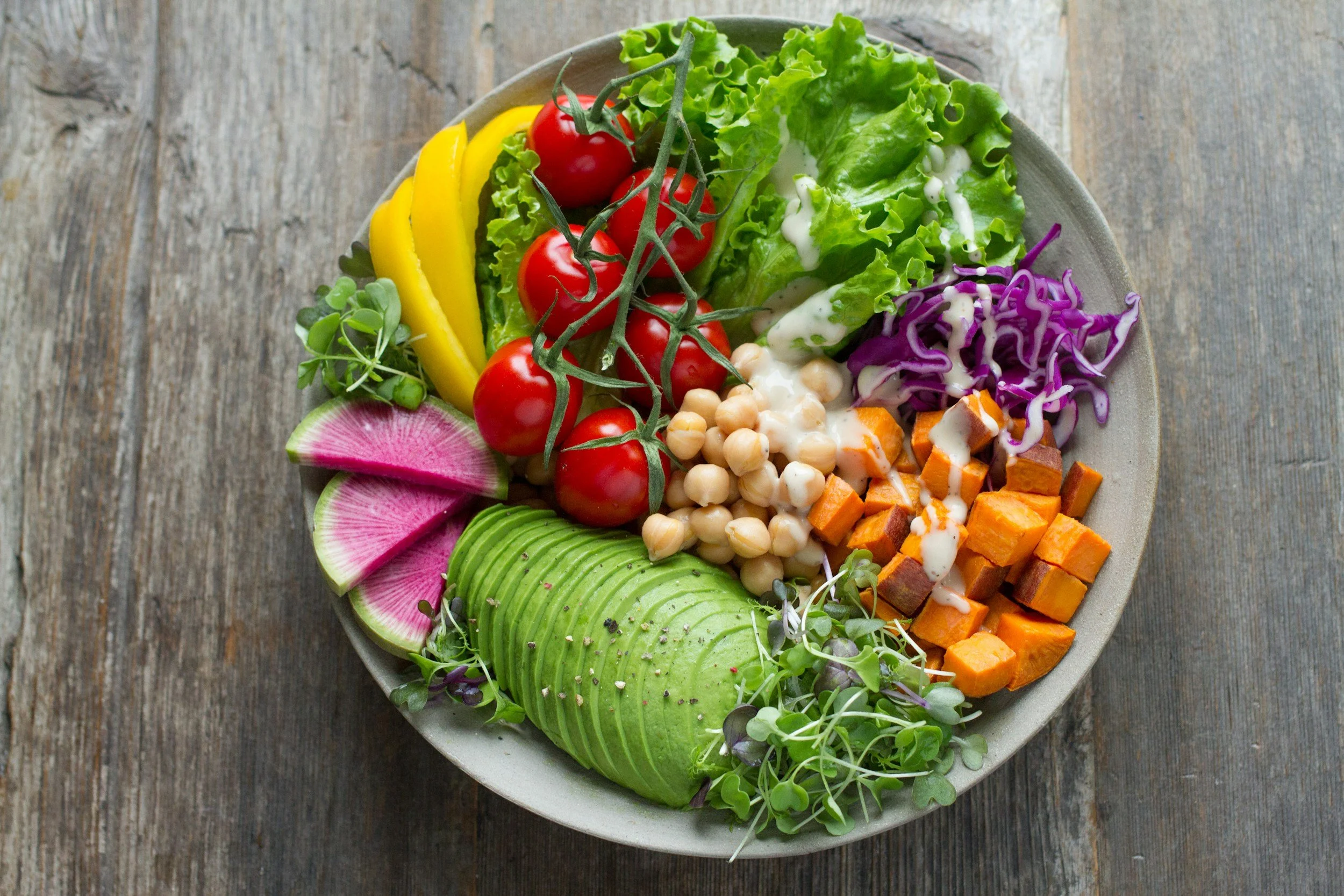
Eat to Rebuild
Food in this phase doesn’t require restriction. Instead, we’ll be rebuilding tissue, balancing blood sugar, and supporting your body’s internal chemistry.
You need food that feeds your mitochondria, stabilizes your energy, and fuels muscle…not just your hunger (but it should also satisfy your hunger :)
Prioritize Protein – Especially in the Morning
Women over 40 often (not always) need more protein, not less. Estrogen loss reduces muscle protein synthesis, meaning your body doesn’t build or maintain muscle as easily.
✔️ What to aim for:
About 20g of protein per meal, especially breakfast (this is just a guideline, your body may need a bit more or a bit less)
Include clean sources: pasture-raised eggs, fish, poultry, lentils, tempeh, collagen-rich bone broth
Collagen and glycine-rich foods also support joints, fascia, and sleep
Protein is not just for muscle. It’s your key to energy, metabolism, and satiety.
Eat Anti-Inflammatory, Blood Sugar-Friendly Foods
Menopause creates a more inflammatory internal environment, especially when blood sugar is unstable. Shift toward foods that cool inflammation, nourish mitochondria, and support metabolic resilience.
Build your meals around:
Non-starchy vegetables (at least half your plate)
Healthy fats: olive oil, avocado, flax, walnuts
Colorful polyphenols: berries, herbs, spices
Whole food starches: sweet potatoes, legumes, wild rice (about ¼ of your plate…your body needs these, don’t omit)
Bitters: arugula, radicchio, dandelion greens to support digestion and liver function
You don’t need to cut carbs completely (this can backfire for many women). But you may need to:
Focus on whole, complex carbs (like whole grains, beans, and starchy veggies)
Pair them with protein and fat to blunt blood sugar spikes
This keeps insulin in check, helps with sleep, and stabilizes energy.
Gut Health, Detox & Estrogen Clearance
Estrogen doesn’t just disappear when it's no longer needed, but it must be metabolized and excreted. Your liver and gut do most of this work.
When either is sluggish, estrogen metabolites can recirculate, causing issues like:
Breast tenderness
Heavy or irregular bleeding (in perimenopause)
Weight gain
Mood swings or anxiety
Support Estrogen Detox Naturally:
Fiber: Aim for 25–35g per day (chia or ground flaxseed is excellent)
Cruciferous veggies: broccoli, cauliflower, kale, cabbage (contain DIM and sulforaphane, which support estrogen metabolism)
Hydration: Helps move waste through the bowel and lymph
Sweating: Sauna, walking, hot baths—all support gentle detox
One daily, healthy bowel movement is non-negotiable for hormone balance.
Adaptogens, Phytoestrogens & Herbal Allies
Natural support can smooth the transition, modulate cortisol, and gently buffer the loss of estrogen and progesterone.
These are tools when chosen wisely and used consistently.
Adaptogens – Stress Resilience for the Midlife Body
Ashwagandha: Calms cortisol, improves sleep, supports thyroid function
Tulsi (Holy Basil): Eases anxiety, supports insulin sensitivity
Schisandra: Liver-protective and hormone-modulating
Rhodiola: Uplifting and energizing, especially for brain fog and low mood
Most effective when taken daily for 6–12+ weeks
Suggested dose: 300–600 mg standardized extract per day (or follow product instructions)
Phytoestrogens – Plant-Based Estrogen Modulators
These plant compounds are 100x weaker than your body’s estrogen and gently bind to estrogen receptors and can relieve mild symptoms:
Flaxseed (ground): 1–2 tablespoons per day for fiber + lignans
Fermented soy (tempeh, miso): Supports bone and heart health
Red clover: Often used in teas or tinctures for hot flashes
Phytoestrogens are not the same as HRT, they're far milder, and often well-tolerated
Herbal Allies for Hormonal Symptoms
These herbs have centuries of traditional use and emerging research support:
Black cohosh: Hot flashes, mood swings (best for early perimenopause)
Dong quai: Used in TCM for hormonal balance and blood building
Shatavari: An Ayurvedic herb for libido, vaginal dryness, and emotional resilience
Vitex (chaste tree berry): Supports progesterone production in perimenopause
Consult with a practitioner if you’re on medications or unsure how to begin
What Daily Support Looks Like
You don’t need to do everything….you need to do what’s supportive for you right now. Many of you are already doing all of this, but are still waiting for “results”. Be patient, your body composition will change when your body is ready…not a moment sooner.
Remember - body fat serves a purpose in your body, and it’ll shift that fat to muscle once it no longer needs it.
Be sure you’re eating enough each day…under-eating is a big stressor and your body will hold on tight to your body fat and sacrifice your hard-earned muscle.
If you’d like some help with your daily rhythm, here’s a simple rhythm to begin with:
Morning
Hydrate
Protein-rich breakfast
Light movement or walk
Adaptogens (e.g., ashwagandha, tulsi)
Midday
Balanced meals
Deep breaths or short nervous system reset
Herbal tea or light movement after lunch
Evening
Anti-inflammatory dinner with protein + veg
Blood sugar-stabilizing snack (if needed)
Magnesium, glycine, or nervines for sleep
Screen-free, low-stimulation wind-down
Summary
Movement supports strength, insulin sensitivity, and mood
Protein and whole foods rebuild your structure and balance your hormones
Your gut, liver, and lymph are essential detox allies—support them gently
Adaptogens and herbs provide ongoing hormonal and emotional buffering
Your rhythm is your medicine—create one that supports who you are now
Final Thoughts
Menopause is a powerful, biological, emotional, and spiritual realignment. It clears out what’s no longer true, no longer sustainable, no longer yours to carry. That process can be uncomfortable. Things fall away. Relationships shift. You might feel like you’re shedding layers you didn’t even know you’d outgrown. That’s not failure. That’s recalibration.
So if you’re tired, if you’re feeling like your body has become unpredictable or unfamiliar, if you’re waking up in the middle of the night with your heart pounding or your mind racing or your skin flushed with heat…please remember that you’re not falling apart. It’s your body asking you to start living differently. More honestly. More slowly. More on your own terms.
It’s asking for partnership.
And if this all feels a little too gentle? A little too simple? That’s probably because it’s actually going to work. Healing in this season doesn’t look like discipline and grit. It looks like rhythm. Repetition. Rest. Like finally treating your body like it’s something to live with…not fight against.
And the version of you on the other side of this?
She’s stronger. Clearer. Unapologetically whole. And she knows exactly who she is.